
Most homeowners only think about their electrical system when something stops working. A light flickers, a circuit trips, or a power point starts feeling warm to the touch. But by the time those symptoms appear, the underlying issue has often been building for a while.
An electrical safety inspection is a proactive way to understand the condition of your home’s wiring and electrical infrastructure — before something goes wrong. Here’s what it involves, what we look for, and how to know whether your home is due for one.
What does an electrical safety inspection actually cover?
A thorough inspection looks at the key components of your home’s electrical system, including:
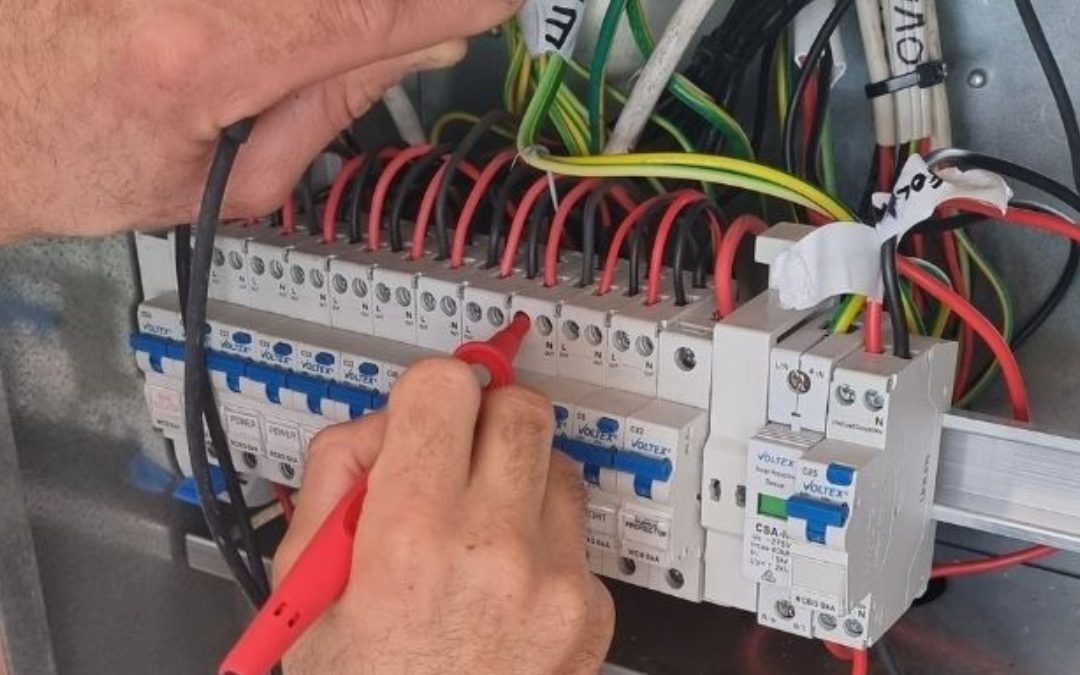
- Your switchboard — checking for outdated fuses, lack of RCD protection, signs of overloading, or deteriorating components
- Visible wiring — looking for damage, incorrect installations, or wiring that doesn’t meet current Australian standards
- Power points and light switches — checking for signs of heat damage, loose connections, or non-compliant installations
- Safety switches (RCDs) — testing that they’re present on all required circuits and functioning correctly
- Earthing and bonding — confirming your home is properly protected against electrical faults
- Any areas of obvious concern — such as DIY electrical work, damage from pests, or water ingress near electrical components
At the end of the inspection, you’ll get a clear picture of what’s in good shape, what needs attention soon, and what should be addressed as a priority. No alarmist language, no pushing unnecessary work — just an honest assessment.
How is this different from the inspection that happens after electrical work?
When a licensed electrician completes any electrical work in your home, they’re required to issue a Certificate of Electrical Safety (CoES) — this certifies that the specific work carried out meets Australian standards. A safety inspection is broader than that. It looks at the overall condition of your existing electrical system, including wiring and components that may never have been formally inspected since the home was built.
In older homes especially, this matters. Wiring standards and safety requirements have changed significantly over the decades, and what was compliant 30 or 40 years ago may not meet today’s expectations.
Signs your home might benefit from an inspection
- Your home is more than 25 years old and hasn’t had an electrical review
- You’ve recently purchased a property and want to understand its condition
- You’ve noticed flickering lights, tripping circuits, or warm power points
- You’re planning a renovation and want to know what you’re working with before walls are opened
- Your switchboard still has ceramic fuses rather than modern circuit breakers
- You’ve had pest activity — rodents in particular are known to chew through wiring insulation
It’s also worth considering an inspection if you’ve recently added high-demand appliances — EV chargers, ducted air conditioning, induction cooktops — without having the electrical system assessed first.
What about older homes in Bayside and the Mornington Peninsula?
Many homes across Bayside and the Mornington Peninsula were built in the 1960s, 70s, and 80s — and while they’ve often been beautifully maintained on the surface, the electrical systems inside don’t always reflect the same level of care. We regularly come across original wiring, fuse-style switchboards, and circuits that were designed for a fraction of the electrical load a modern household places on them.
The beachside environment adds another layer of consideration. Salt air accelerates corrosion, and outdoor electrical components in coastal properties need to be checked more frequently than those in inland areas.
How long does an inspection take?
For a typical family home, a thorough electrical inspection usually takes between one and two hours. We’ll walk through the property with you, explain what we’re looking at, and answer any questions as we go. If we identify anything that needs attention, we’ll give you a clear quote for the work before anything is booked in.
There’s no obligation to proceed with any additional work — the inspection is simply about giving you an accurate picture of where things stand.
If you’ve never had your home’s electrical system looked at, or it’s been a number of years since anyone has, an inspection is a straightforward and affordable way to get peace of mind — or catch something before it becomes a much bigger problem.
Ready to get started? Contact Nathan at Quality Electrical Contracting today. Call 0424 644 961 or email na****@**********************om.au — serving Bayside suburbs and the Mornington Peninsula.